


 Skip to content

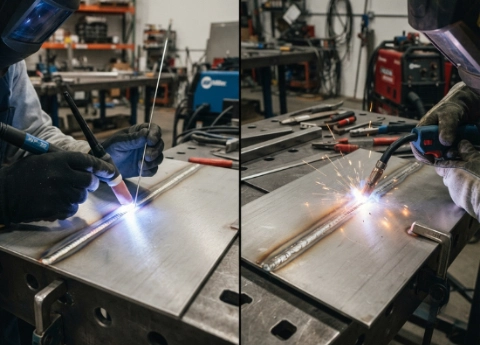
TIG vs MIG Welding in Stainless Steel Fabrication: Which Process Is Better?
Welding plays an important role in modern metal manufacturing and fabrication. It joins metal components to create strong and functional structures. TIG welding and MIG welding are two widely used processes in Stainless Steel Fabrication. Both methods support different project requirements and deliver quality results when applied correctly.
Choosing a suitable welding process depends on material thickness, component design and production requirements. Each method has specific characteristics that make it suitable for various applications. Understanding their differences can help businesses select the right approach for their fabrication projects.
What Is TIG Welding?
TIG welding, also called Tungsten Inert Gas welding, uses a non-consumable tungsten electrode. It creates an electrical arc that produces the heat needed to join metal components. Welders can add filler material when the application requires it.
This process provides excellent control over heat and weld appearance. It is commonly used for detailed work and stainless steel components requiring a neat finish. TIG welding supports applications across manufacturing, automotive and industrial fabrication.
What Is MIG Welding?
MIG welding, also known as Metal Inert Gas welding, uses a continuously fed wire electrode. The wire acts as both the electrode and filler material during welding. Shielding gas protects the weld area during the process.
This method supports consistent welding and efficient material joining. It is commonly used for production work involving different metal components. MIG welding also suits various Steel Fabrication applications across industrial and commercial sectors.
TIG vs MIG Welding: Understanding the Key Differences
Both welding methods play important roles in modern fabrication. However, they differ in their working methods and application requirements. Understanding these differences helps manufacturers select a suitable process for each project.
Applications of TIG and MIG Welding in Stainless Steel Fabrication
Different industries require welded components for manufacturing and everyday operations. TIG and MIG welding support a wide range of these requirements. Their applications depend on material selection, component design and fabrication specifications.
Common applications include stainless steel frames, brackets, tanks and pipework. These processes also support equipment components and customised metal structures. They form an important part of Steel Fabrication for commercial and industrial projects.
TIG welding is frequently used where detailed finishing is required. MIG welding supports production involving multiple metal components. Together, these processes provide flexible options for different manufacturing requirements.
How to Choose the Right Welding Process for Your Project
Selecting a suitable welding process requires an understanding of your project requirements. Consider the material, component design and expected finish before starting fabrication. The following factors can help guide your decision.
Why Welding Quality Matters in Metal Fabrication
Welding quality contributes to the strength, appearance and functionality of fabricated products. Proper preparation helps create suitable joints between metal components. Skilled workmanship also supports consistent results throughout the manufacturing process.
Material selection, equipment settings and welding techniques all influence the finished product. Manufacturers should follow suitable inspection procedures during fabrication. These practices support quality Metal Fabrication for a variety of applications.
Choosing a fabrication provider with suitable welding capabilities also matters. Review their previous projects and available manufacturing services. Discuss your specifications to understand how the welding process will support your requirements.
Choose the Right Welding Services for Your Fabrication Project
TIG and MIG welding both contribute to modern manufacturing and fabrication. Each process supports different requirements involving material thickness, precision and production. Understanding these methods helps businesses plan suitable fabrication solutions.
Gunceler Industries provides metal fabrication and welding services for various industrial requirements. The team delivers Stainless Steel Fabrication solutions for different components and applications. Its Steel Fabrication services also support a range of design and manufacturing needs. Contact us to discuss your project requirements.
FAQs
TIG welding uses a tungsten electrode to create the welding arc. MIG welding uses a continuously fed wire electrode. Both methods join metal components through different welding techniques.
Yes, TIG welding is widely used for Stainless Steel Fabrication. It provides precise control and supports detailed welding applications. It is suitable for various stainless steel components and assemblies.
Yes, MIG welding supports a wide range of Steel Fabrication applications. It is commonly used for joining metal components during manufacturing. Its applications include frames, brackets and structural components.
The selection depends on material type, thickness and component design. Production requirements and the expected finish also influence the decision. A fabrication team can assess these factors and recommend a suitable process.
