

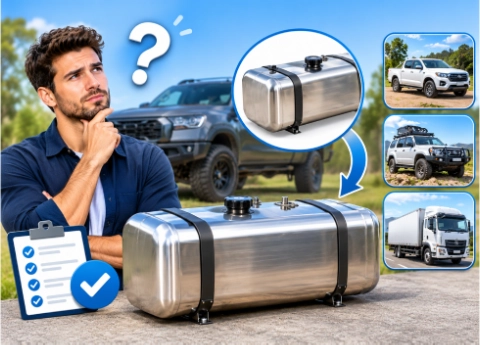
Choose the Right Stainless Steel Fuel Tank

How to Choose the Right Stainless Steel Fuel Tank for Your Vehicle

Choosing the right fuel tank is important for vehicle performance and long-term use. A suitable tank should meet your vehicle’s requirements and operating conditions. Stainless steel fuel tanks are known for their strength, corrosion resistance and durability, making them a suitable choice for various vehicle applications. However, selecting the right option requires careful consideration of several factors.

Whether a fuel tank is needed for a truck, commercial vehicle or specialised application, the right choice matters. Its capacity, dimensions, material quality and construction all affect its suitability. Understanding these factors can help you make an informed purchasing decision.

Key Factors to Consider When Choosing a Stainless Steel Fuel Tank

Before selecting a fuel tank, consider its capacity, material quality, design and vehicle compatibility. The following factors will help you make the right choice for your application.

1. Consider Your Vehicle Type and Requirements

Start by identifying your vehicle type and its fuel storage requirements. Different vehicles need different tank sizes, shapes and mounting arrangements. A truck may require a larger fuel tank than a smaller commercial vehicle.

Consider how the vehicle operates and how frequently it travels. Long-distance vehicles may need greater fuel storage capacity for extended journeys. Meanwhile, specialised vehicles may require specific tank dimensions and mounting positions. Selecting a Stainless Steel Fuel Tank for Your Vehicle should always begin with these practical requirements.

2. Choose the Right Fuel Tank Capacity

Fuel tank capacity directly affects how much fuel your vehicle can carry. A larger tank may reduce the need for frequent refuelling. However, additional capacity can also increase the tank’s overall size and weight.

Consider your usual travel distance and fuel consumption before choosing a capacity. The tank should provide sufficient storage without taking up unnecessary vehicle space. You should also check the manufacturer’s recommended capacity and vehicle specifications.

A suitable Fuel Tank Capacity helps balance storage needs and available space. It can also support practical vehicle operation. Always consider the intended application before making your final selection.

3. Check the Stainless Steel Grade and Quality

Not all stainless steel materials have identical properties. Different grades offer different levels of corrosion resistance and strength. Therefore, material selection plays an important role in fuel tank manufacturing.

Stainless steel grades such as 304 and 316 are commonly used in various fabrication applications. However, the most suitable grade depends on the operating environment and design requirements. Consider exposure to moisture, road conditions and other environmental factors.

High-quality Stainless Steel Fuel Tanks deliver long-lasting performance when manufactured using suitable materials. Check the stainless steel grade used during manufacturing. Also, ensure the selected material meets your vehicle’s requirements and operating conditions.

4. Evaluate Tank Design and Dimensions

A fuel tank should fit the available space without affecting other vehicle components. Its dimensions must match the mounting area and surrounding equipment. Incorrect measurements can create installation difficulties.

Check the tank’s length, width, height and mounting arrangements before ordering. Consider the available clearance around the tank. Also, ensure that its position allows convenient access for inspection and maintenance.

A Custom Fuel Tank can be considered when standard sizes do not meet your requirements. Custom designs allow dimensions and mounting arrangements to suit specific applications. Discuss your vehicle measurements with the manufacturer before production begins.

5. Look at Welding Quality and Construction

The quality of fabrication affects the strength and overall construction of a fuel tank. Proper welding helps create strong joints between different tank sections. Poor workmanship may increase the risk of leaks and other problems.

Ask about the manufacturer’s fabrication methods and quality checks. TIG and MIG welding are commonly used in metal fabrication. The suitable process depends on material thickness, design and production requirements.

Quality Fuel Tank Fabrication should include suitable welding techniques and careful finishing. The tank should also undergo appropriate inspection before installation. These checks help identify potential manufacturing issues.

6. Check Internal Baffles and Safety Features

Internal baffles help control fuel movement inside a tank. They reduce excessive fuel movement during acceleration, braking and cornering. This feature can be particularly useful for larger tanks and vehicles operating under changing road conditions.

Ask whether the tank design includes suitable internal baffles. Their number and placement depend on the tank’s dimensions and intended application. Proper positioning can help manage fuel movement during vehicle operation.

Also, check the filler neck, outlet connections and mounting points. These components should suit the vehicle’s fuel system and installation requirements. A suitable Fuel Tank Design considers both practical use and essential safety requirements.

7. Consider Maintenance and Long-Term Durability

Regular inspection helps maintain a fuel tank’s condition over time. Stainless steel offers good corrosion resistance in suitable applications. However, it still requires proper care and maintenance.

Check the tank periodically for visible damage, loose fittings and signs of leakage. Keep the exterior clean and follow the manufacturer’s maintenance recommendations. Avoid using cleaning products that could damage the material’s surface.

A well-maintained Stainless Steel Fuel Tank can support long-term use. Maintenance requirements may vary depending on operating conditions. Follow suitable inspection procedures to identify potential problems early.

8. Select the Right Fuel Tank Manufacturer

Choosing the right manufacturer is just as important as selecting the tank itself. Look for experience in stainless steel fabrication and custom manufacturing. Review previous projects to understand the manufacturer’s capabilities.

When comparing a Stainless Steel Fuel Tanks Manufacturer, check material selection, fabrication methods and quality inspection procedures. Discuss your vehicle specifications and intended fuel storage requirements. Clear communication helps ensure that the final product meets your expectations.

For custom fabrication requirements, Gunceler Industries provides manufacturing solutions for different industrial applications. As a Stainless Steel Fuel Tanks Manufacturer, the business supports custom manufacturing requirements. Discuss your project specifications to explore suitable design and fabrication options.

Choose the Right Stainless Steel Fuel Tank for Your Vehicle

Selecting a suitable fuel tank requires careful attention to capacity, material quality and construction. You should also consider vehicle compatibility, mounting arrangements and maintenance requirements. Comparing these factors helps identify a suitable option for your application.

For Stainless Steel Fuel Tanks and custom fabrication requirements, contact Gunceler Industries. Discuss your specifications and explore suitable manufacturing solutions for your vehicle.

FAQs

Stainless Steel Fuel Tanks offer corrosion resistance and good structural strength. They are suitable for various commercial and specialised vehicle applications. Their suitability depends on the material grade, tank design and operating conditions.

Consider your vehicle’s fuel consumption and typical travel distance. Check the available installation space and manufacturer’s specifications. Choose a capacity that meets your storage requirements without compromising vehicle compatibility.

Custom Stainless Steel Fuel Tanks can suit vehicles with specific dimensions or mounting requirements. They provide greater flexibility in design and capacity. However, standard tanks may be suitable when their specifications match your vehicle.